The Benefits Of Suspended Ducting In HVAC Systems
When it comes to HVAC systems, one crucial component that often goes unnoticed is the ducting. Ductwork plays a critical role in distributing heated or cooled air throughout a building, ensuring that the indoor environment remains comfortable. While ducting is typically installed in a fixed position, suspended ducting offers a flexible and efficient alternative that can provide numerous benefits for HVAC systems. In this article, we will explore the advantages of suspended ducting and why it is becoming an increasingly popular choice in the industry.
suspended ducting, as the name suggests, involves hanging the ductwork from the ceiling or walls using a support system. This method of installation offers several advantages over traditional fixed ducting systems. One of the primary benefits of suspended ducting is its flexibility. By suspending the ductwork, it can be easily adjusted or relocated to accommodate changes in building layout or HVAC system requirements. This flexibility makes suspended ducting an ideal solution for buildings with limited space or complex layouts where traditional ductwork installation may be challenging.
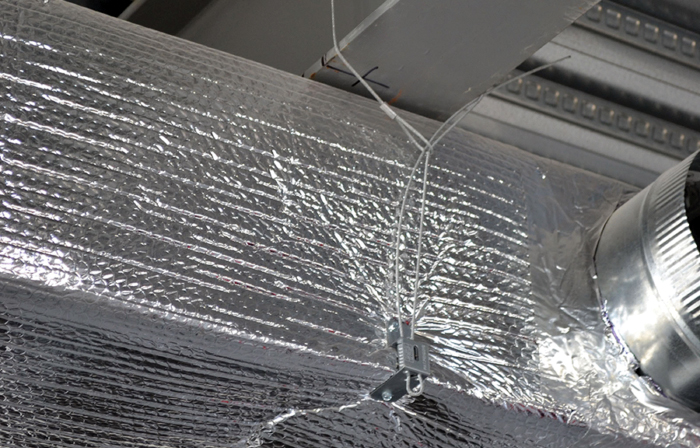
Another key advantage of suspended ducting is its ease of maintenance. Unlike fixed ducting, which can be difficult to access for cleaning or repairs, suspended ductwork can be easily reached and serviced. This accessibility not only makes maintenance tasks simpler and more efficient but also helps to prolong the lifespan of the HVAC system by ensuring that the ductwork remains clean and free of debris.
In addition to its flexibility and accessibility, suspended ducting can also improve the overall efficiency of an HVAC system. By suspending the ductwork, air can flow more freely and evenly throughout the building, reducing the likelihood of obstructions or airflow restrictions that can occur with traditional fixed ducting. This improved airflow can help to create a more balanced temperature distribution and increase the overall efficiency of the HVAC system, resulting in lower energy consumption and reduced operating costs.
suspended ducting can also offer aesthetic benefits for building owners and designers. By hanging the ductwork from the ceiling or walls, the system can be integrated seamlessly into the building’s design, creating a clean and modern look. This can be particularly beneficial for commercial or industrial buildings where aesthetics are important, as suspended ducting can help to create a more attractive and professional appearance.
One of the key considerations when installing suspended ducting is the type of support system used. There are several options available, including cable suspension systems, threaded rod systems, and strut channel systems. Each of these support systems offers its own unique advantages and considerations, depending on the specific requirements of the HVAC system and the building structure.
Cable suspension systems are a popular choice for suspended ducting due to their flexibility and ease of installation. These systems use steel cables to suspend the ductwork from the ceiling or walls, allowing for easy adjustment and leveling during installation. Cable suspension systems are typically used for lighter loads and are ideal for applications where quick and simple installation is required.
Threaded rod systems are another common choice for suspended ducting, particularly for heavier loads or larger ductwork systems. These systems use threaded rods to support the ductwork, providing a more secure and stable installation. Threaded rod systems are often used in industrial or commercial settings where durability and strength are important considerations.
Strut channel systems offer a more robust support solution for suspended ducting. These systems use metal channels and brackets to support the ductwork, providing a sturdy and reliable installation. Strut channel systems are often used for larger or more complex ductwork systems that require additional support.
Overall, suspended ducting offers a versatile and efficient solution for HVAC systems that can provide numerous benefits for building owners, designers, and occupants. From increased flexibility and accessibility to improved efficiency and aesthetics, suspended ducting is a cost-effective and practical choice for a wide range of applications. By considering the advantages of suspended ducting and choosing the right support system for your specific needs, you can create a more efficient and reliable HVAC system that meets the demands of modern building environments.