The Importance Of Seismic Bracing Systems In Structural Engineering
In the world of structural engineering, seismic bracing systems play a crucial role in ensuring the safety and stability of buildings and structures during seismic events. These systems are designed to provide support and reinforcement to structures to prevent damage or collapse when subjected to the forces of an earthquake.
seismic bracing systems consist of various components such as braces, anchors, and connections that work together to absorb and dissipate the energy generated by seismic forces. By incorporating these systems into building designs, engineers can minimize the risk of structural failure and protect the lives of occupants during an earthquake.
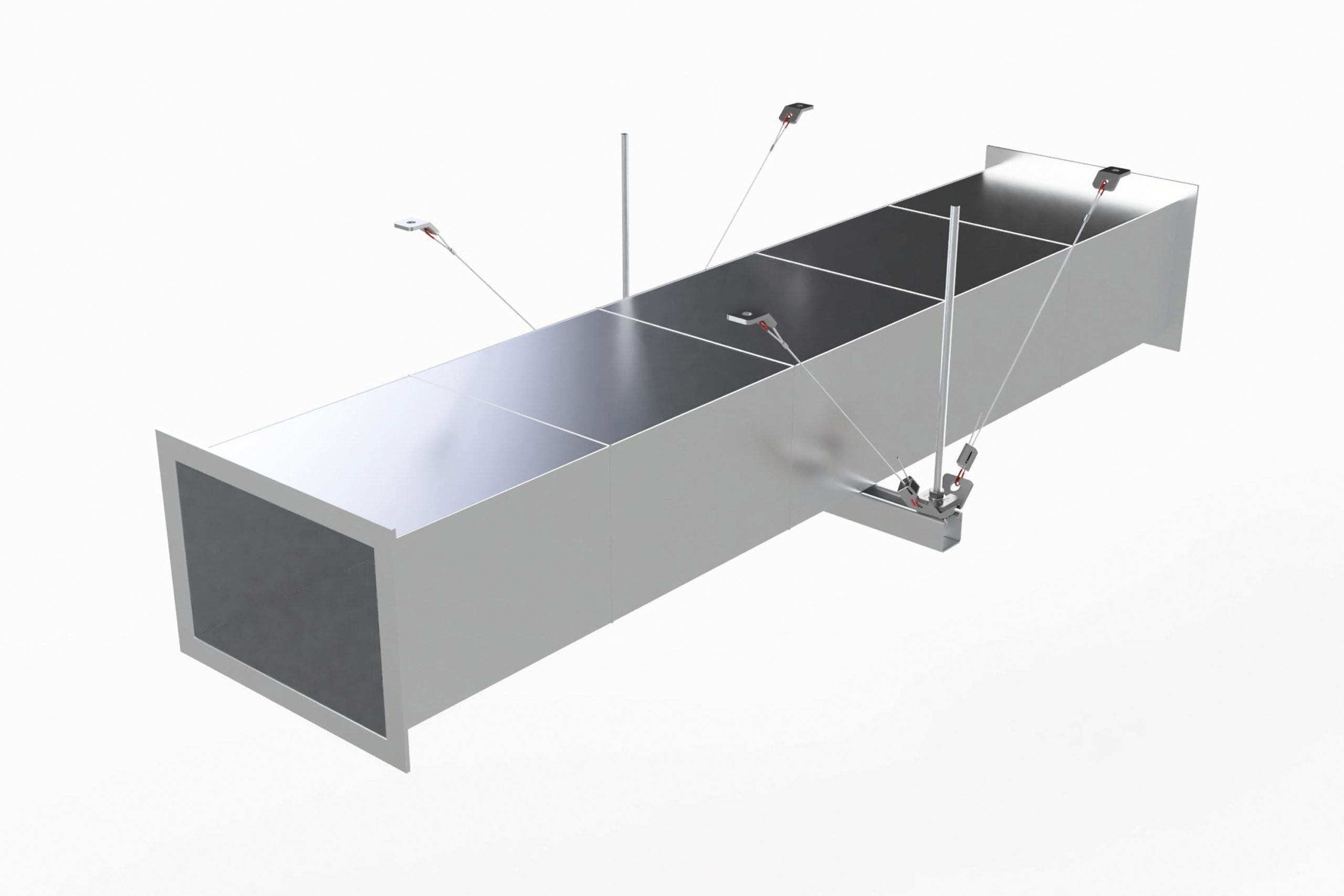
One of the key benefits of seismic bracing systems is their ability to enhance the overall structural integrity of a building. By strategically placing braces and anchors throughout the structure, engineers can effectively distribute and redirect seismic forces, reducing the risk of damage and collapse. This added reinforcement helps buildings withstand the intense shaking and vibrations that occur during an earthquake, ensuring the safety of occupants and minimizing repair costs.
In addition to improving structural integrity, seismic bracing systems also help to reduce the risk of non-structural damage within buildings. Non-structural elements such as ceilings, partitions, and mechanical systems are vulnerable to displacement and failure during earthquakes. By implementing a seismic bracing system, engineers can secure these elements in place, preventing them from becoming hazards to occupants and further safeguarding the building’s overall safety.
Furthermore, seismic bracing systems can also enhance the performance of a building’s mechanical and electrical systems during seismic events. By properly bracing these systems, engineers can ensure that critical infrastructure remains operational and functional in the aftermath of an earthquake. This is crucial for maintaining essential services and communication networks to support rescue and recovery efforts, as well as providing a safe environment for occupants to shelter in place.
The design and implementation of seismic bracing systems require careful consideration and expertise to ensure optimal performance and effectiveness. Engineers must take into account various factors such as building height, occupancy load, soil conditions, and seismic risk factors when designing these systems. By conducting thorough seismic assessments and simulations, engineers can develop a customized bracing strategy tailored to the specific needs and requirements of the building.
There are several types of seismic bracing systems available, each offering unique benefits and advantages depending on the structural design and seismic conditions of the building. Some common types of seismic bracing systems include diagonal braces, concentric bracing systems, eccentric bracing systems, and buckling-restrained braces. Each type of system has its own applications and limitations, and engineers must carefully evaluate these factors to determine the most suitable solution for their project.
When implementing a seismic bracing system, it is essential to work closely with experienced structural engineers and contractors to ensure proper installation and compliance with building codes and regulations. Regular maintenance and inspection of the bracing system are also crucial to ensure its continued effectiveness and reliability. By investing in a high-quality seismic bracing system, building owners can protect their investment and secure the safety of occupants in the event of an earthquake.
In conclusion, seismic bracing systems are a vital component of structural engineering that plays a critical role in mitigating the impact of earthquakes on buildings and structures. By enhancing structural integrity, reducing non-structural damage, and safeguarding critical infrastructure, these systems help to ensure the safety and stability of buildings during seismic events. With proper design, installation, and maintenance, seismic bracing systems can provide peace of mind to building owners and occupants, knowing that their structures are well-equipped to withstand the forces of nature.